Managing up is more than a workplace buzzword. In fact, it can be an invaluable tool for professionals that can set you and your manager up for success.


Managing up is more than a workplace buzzword. In fact, it can be an invaluable tool for professionals that can set you and your manager up for success.

Time and time again, it is the retirement living and aged care staff who are caught in the cross hairs of negative media coverage. It is time we talk about their wellbeing.

It was interesting reading the opening few words of one of the stories on the sector last week. It started “no pets without permission.” Clearly someone hasn’t lived in a community setting before.

On a recent visit to a village on the Central Coast of NSW, DCM Institute’s Operations Manager, Tiffany Folbigg, attended a local writers festival with residents.
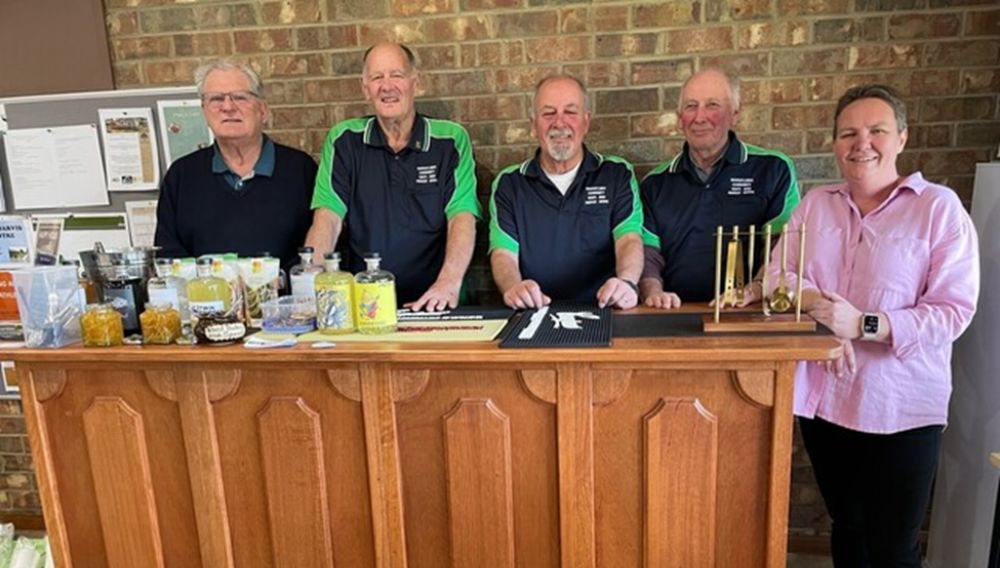
When Rowena Fox became Village Manager she felt the community centre could be utilized more. The solution? Raise the bar for her residents.

Establishing professional boundaries is crucial. In this article, we explore how clear communication and delegation can ease the pressure on village managers.
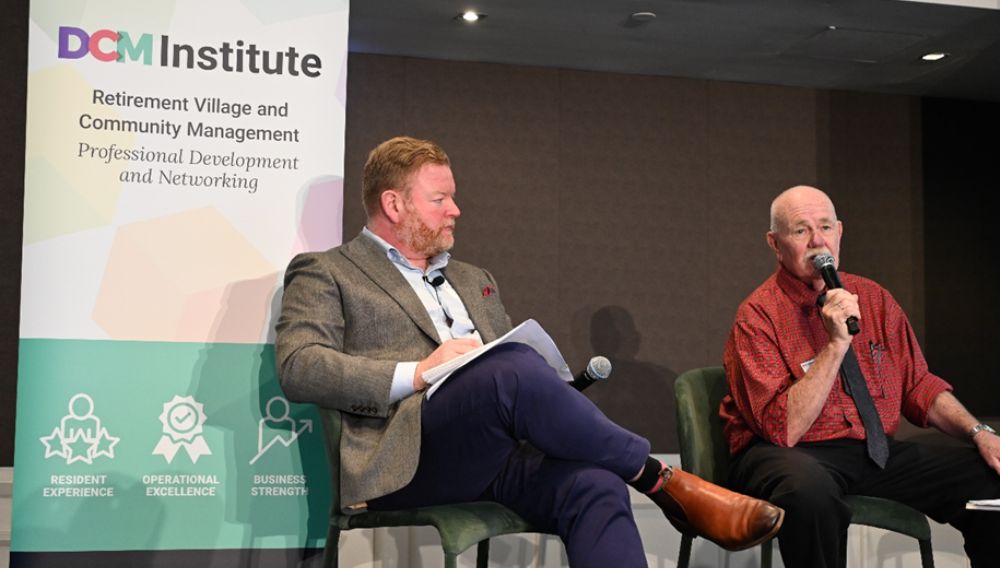
In a sign of solidarity for retirement living, the residents’ associations in NSW and Queensland have come out speaking against the representation of retirement living by the 7:30 Report.
As the end of the year approaches and villages become busier, it’s easy to focus on just getting things done before the holidays. But one essential leadership trait often gets overlooked: kindness.

Robert Fitzgerald AM, Age Discrimination Commissioner at the Australian Human Rights Commission, has released new research ‘Shaping Perceptions: How Australian Media Reports on Ageing’.
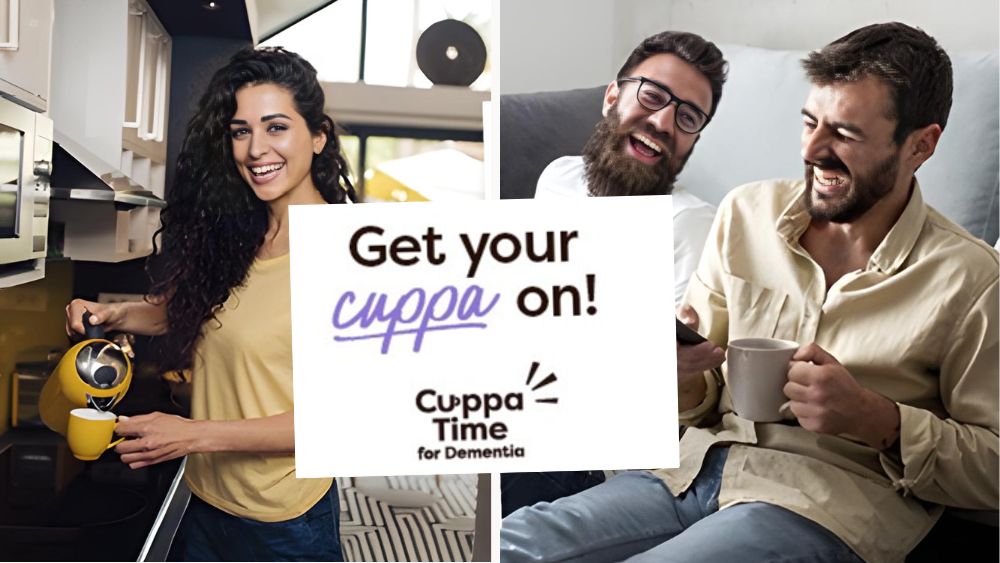
Dementia Australia’s Cuppa Time for Dementia is back this October. With 421,000 Australians living with Dementia, this presents a great opportunity to raise awareness in retirement villages.

Australia’s severe weather season spans October to April, bringing storms, cyclones, and heatwaves. Learn how retirement village managers can proactively prepare to ensure resident safety and well-being.
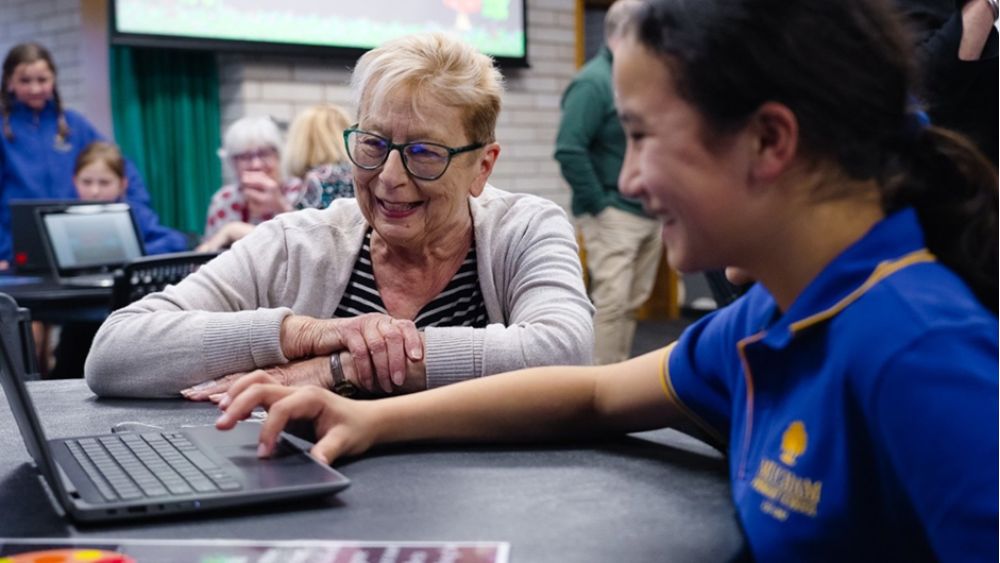
Discover how this Community Centre fosters intergenerational connections, with primary school students and residents exploring augmented reality games, creating a vibrant and engaging community for all ages.